
The Pink City of Rajasthan — royalty, forts, jewels, and the finest block-print textiles in India.
Jaipur (the Pink City) is the capital of Rajasthan, India, and the third city of the Golden Triangle tour circuit after Delhi and Agra. Founded in 1727 by Maharaja Jai Singh II, its walled old city was granted UNESCO World Heritage status in 2019. It is 270 km from Delhi (5–6 hours by road or 2 hours by train).
Jaipur was founded in 1727 by Maharaja Jai Singh II, making it one of India's first planned cities. Its rose-pink buildings — painted in honour of a visiting Prince of Wales in 1876 — give the city its famous nickname. Today the old city remains largely intact and earned UNESCO World Heritage status in 2019.
Amber Fort, the royal palace complex perched on the Aravalli hills overlooking Maota Lake, is the city's crown jewel. The mirrored Sheesh Mahal (Palace of Mirrors), the labyrinthine passages, and the painted corridors are unlike anything else in Rajasthan. Inside the walled old city, the five-storey Hawa Mahal — Palace of Winds — is the image that defines Jaipur's silhouette.
Shopping is exceptional here: block-print fabric, blue pottery, precious gemstones, Kundan jewellery, and miniature paintings. Johari Bazaar and Bapu Bazaar are the main arteries. Our guides know which workshops are authentic and which to avoid.
Jaipur is the final stop on the Golden Triangle. We recommend spending at least two nights here — one day for Amber Fort and the old city, one day for shopping and Nahargarh Fort sunset.
A UNESCO World Heritage walled city with more highlights per square kilometre than almost anywhere in India.
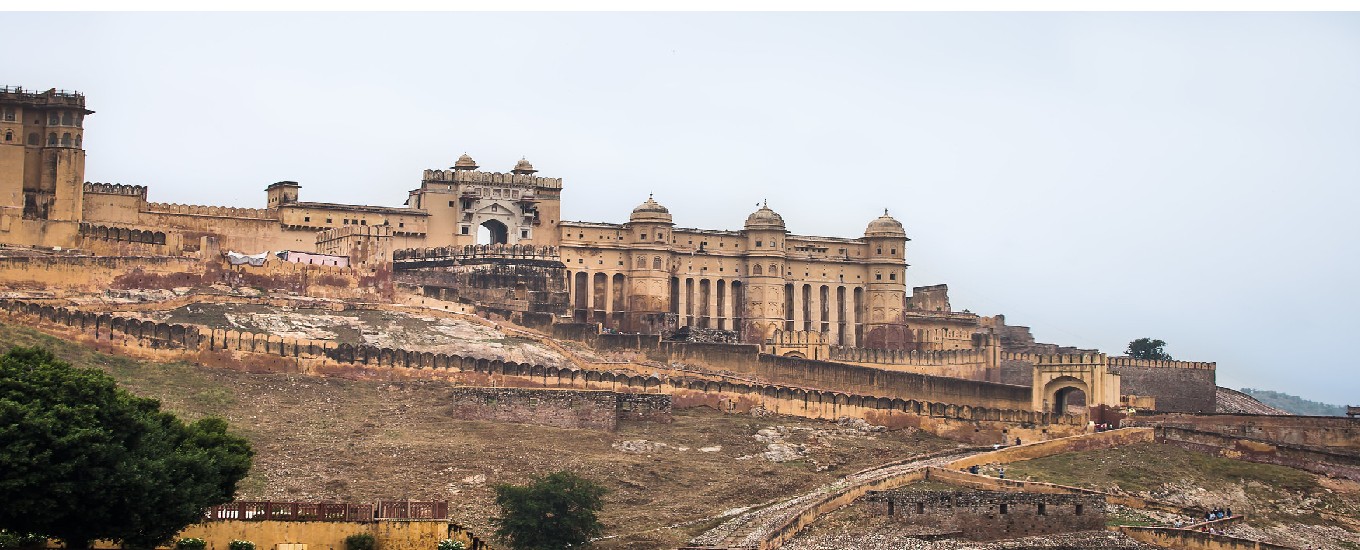
The Rajput-Mughal fortress-palace complex that served as the capital before Jaipur was built. The Sheesh Mahal's ceiling is covered with thousands of tiny mirrors — a single candle flame creates a starfield effect. Book sunrise entry to have it almost to yourself.

The Palace of Winds is Jaipur's most photographed building. Its 953 small windows (jharokhas) were designed so royal women could observe street life without being seen. The interior is surprisingly small — the magic is entirely in the facade.
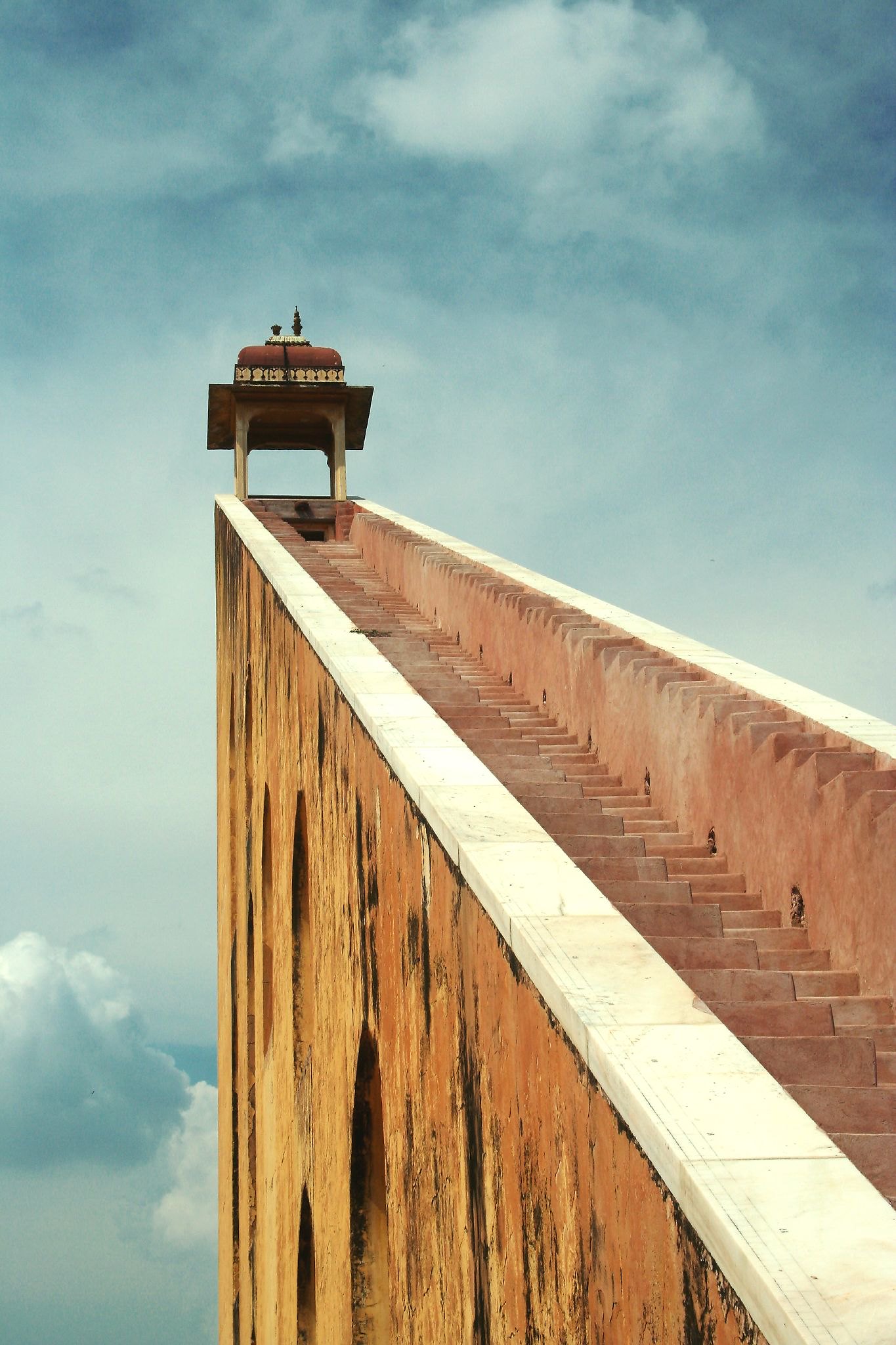
The royal family's palace complex in the heart of the old city, where the Maharaja of Jaipur still resides in a private wing. The adjacent Jantar Mantar astronomical observatory contains the world's largest stone sundial, accurate to within two seconds.
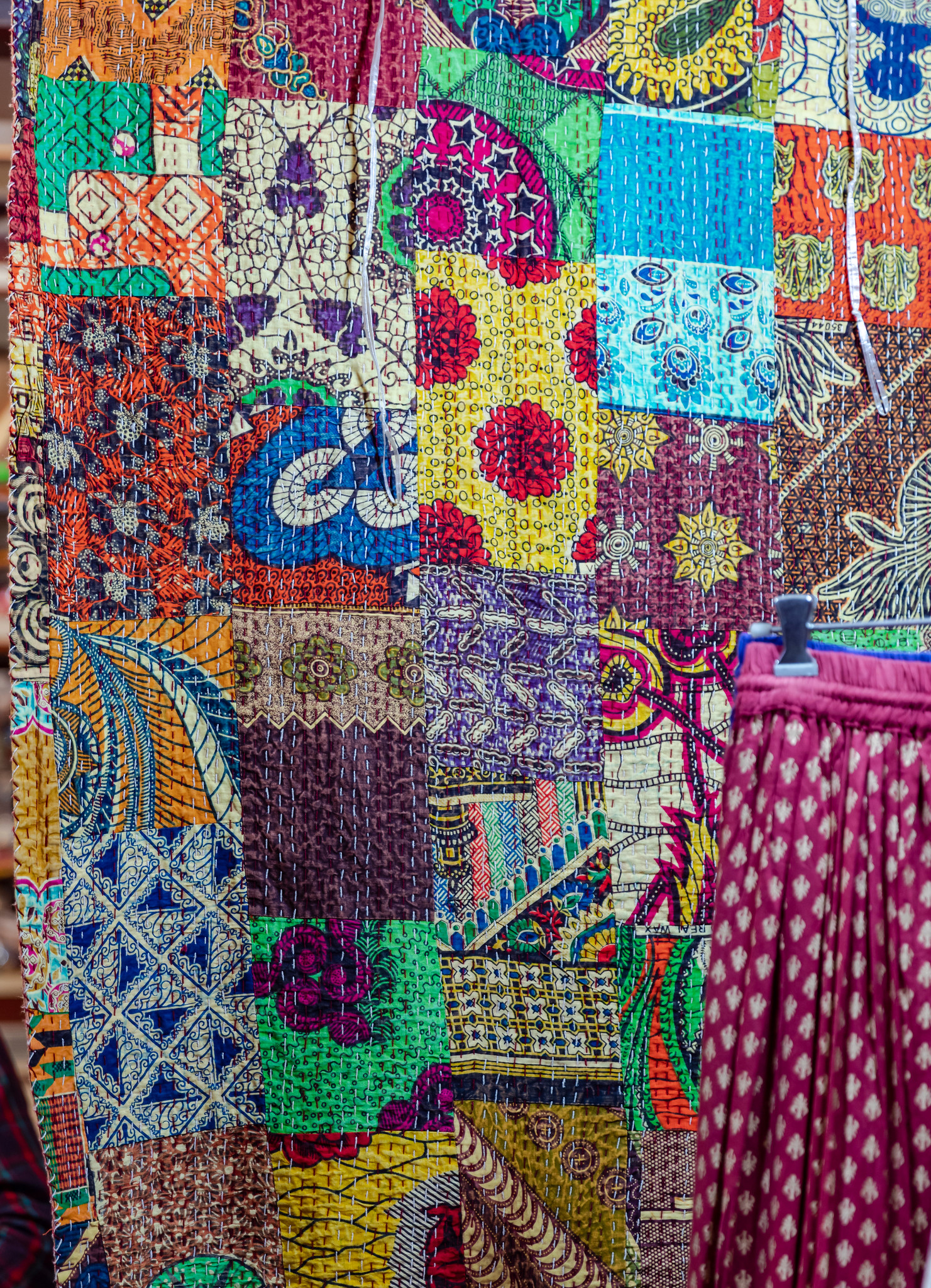
Johari Bazaar is India's gem capital — rubies, emeralds, and uncut diamonds traded in the open. Bapu Bazaar has textiles and block prints. Our guides will negotiate prices and steer you to genuine artisans.
The fort on the ridge above the city offers the best panoramic view of Jaipur. Go 90 minutes before sunset, have chai at the rooftop café, and watch the city turn amber. Much less crowded than Amber Fort.
Dal Baati Churma is the essential Rajasthani thali — lentil soup, baked wheat bread, and sweet ground wheat. Lassiwala on MI Road is essential for yoghurt drinks.
We do not include elephant rides in our tours on animal welfare grounds. The government-run jeep safaris up to the fort are equally dramatic, faster, and far more comfortable.
A single composite ticket covers Amber Fort, Nahargarh Fort, Hawa Mahal, City Palace, Jantar Mantar, and Albert Hall. Significantly cheaper than individual entries — our guides carry them.
The walled city is compact enough to walk with a guide. For sites further afield (Amber Fort, Water Palace), our private car handles all transfers without any queue for taxis.
Jaipur is the natural final stop on the Golden Triangle and the gateway to deeper Rajasthan.

The classic circuit. Jaipur is the grand finale — two nights minimum to do the city justice.
View Tour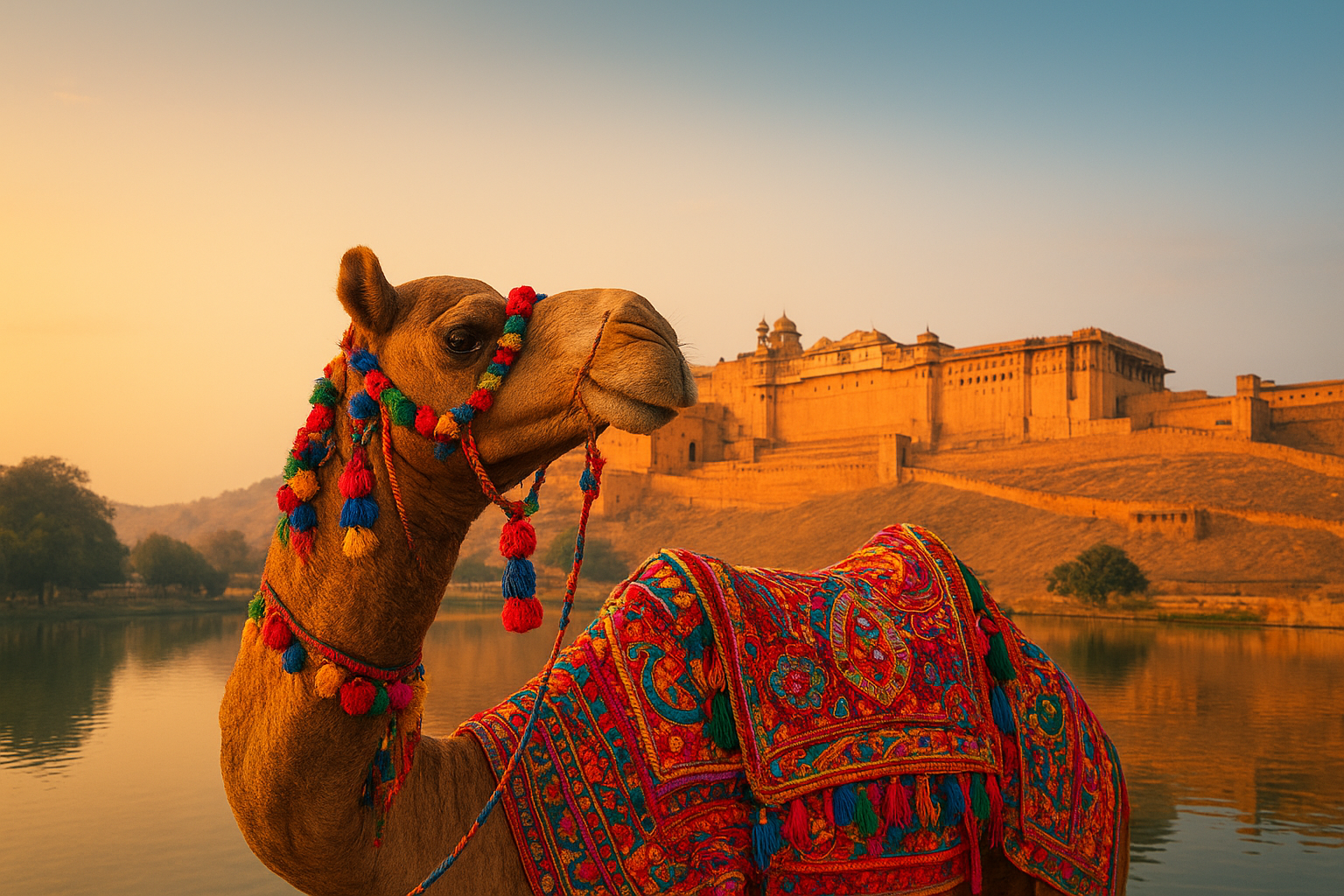
Extend the classic circuit with a tiger safari at Ranthambore or push deeper into Rajasthan via Udaipur.
View Packages
Jaipur is the starting point for a full Rajasthan journey through Jodhpur, Jaisalmer, and Udaipur.
Get a QuoteWritten by Samarth Sharma, Rajasthan tour guide since 2010. Last updated: June 2026.