
Home of the Taj Mahal — the world's greatest monument to love and one of the Seven Wonders of the World.
Agra is a city in Uttar Pradesh, India, 200 km south of Delhi, home to three UNESCO World Heritage Sites: the Taj Mahal (built 1631–1648), Agra Fort, and Fatehpur Sikri. The Taj Mahal alone receives over 6 million visitors a year. Private guided day trips from Delhi by road take 3–4 hours each way.
Agra was once the magnificent capital of the Mughal Empire, and its legacy is written in marble and red sandstone across the city. The Taj Mahal needs no introduction — Mughal Emperor Shah Jahan built it between 1631 and 1648 as a mausoleum for his beloved wife Mumtaz Mahal.
But Agra is far more than the Taj. The imposing Agra Fort served as the main Mughal residence for three emperors, and Fatehpur Sikri — a ghost city abandoned only 14 years after its construction — stands 40km west, frozen in time.
Our guides are local Agra residents who can take you inside stories that no guidebook covers: the 20,000 artisans who built the Taj, the optical illusions built into its minarets, and why the main gate was deliberately built so you can't see the tomb until the final step.
Taj Travel Services is based in Agra. When you book with us, you're hiring guides who have lived next to this monument their entire lives.

From the iconic to the overlooked — here's where our guides take every visitor.

Built 1631–1648 by Shah Jahan as a tribute to his wife Mumtaz Mahal. Best seen at sunrise when the light is golden and crowds are thin. Closed Fridays. Book skip-the-line tickets in advance — queues at the ticket office regularly exceed 45 minutes.
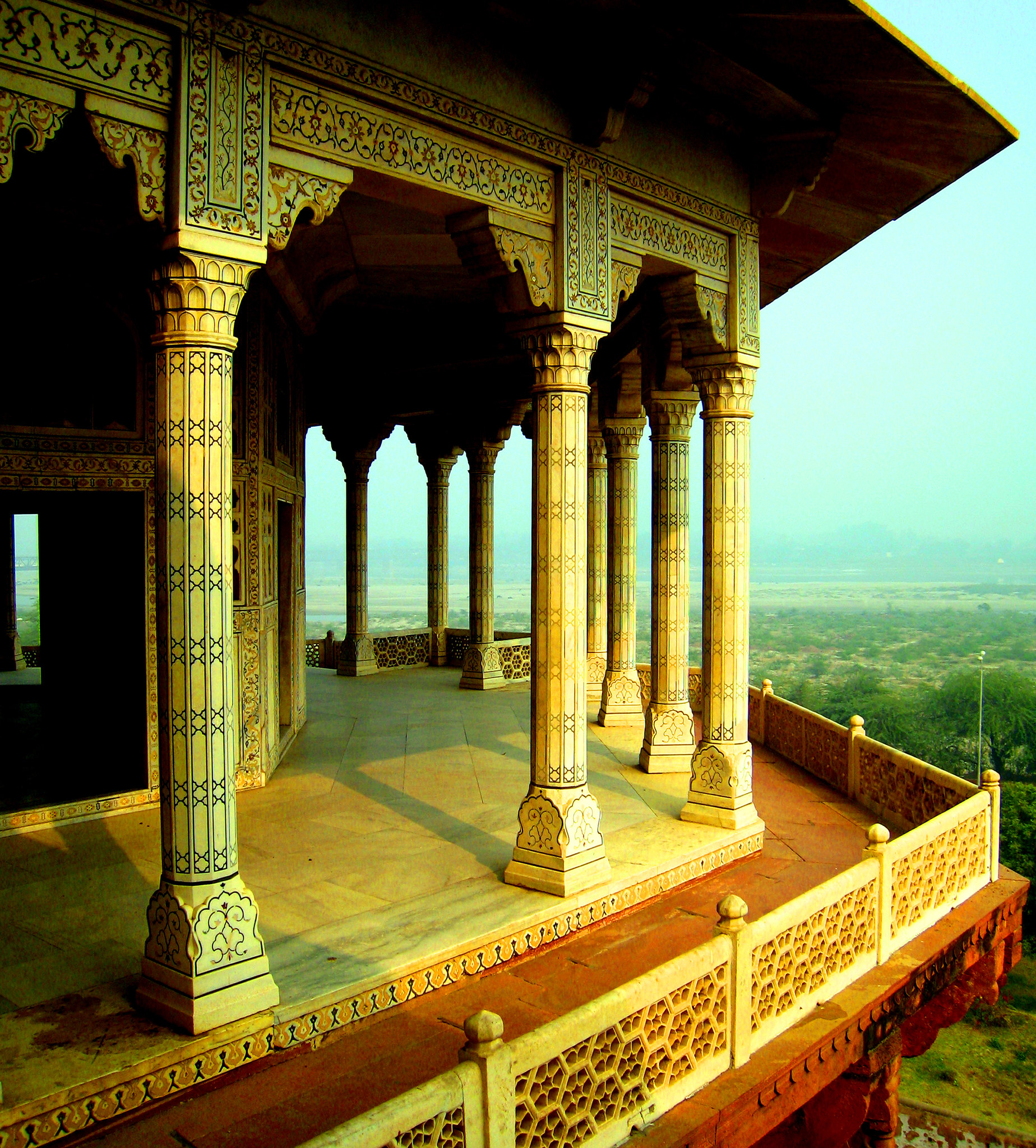
This red-sandstone citadel served as the main residence of the Mughal emperors Akbar, Jahangir, and Shah Jahan. Shah Jahan spent his last eight years here as a prisoner of his own son, gazing at the Taj from the Musamman Burj tower.
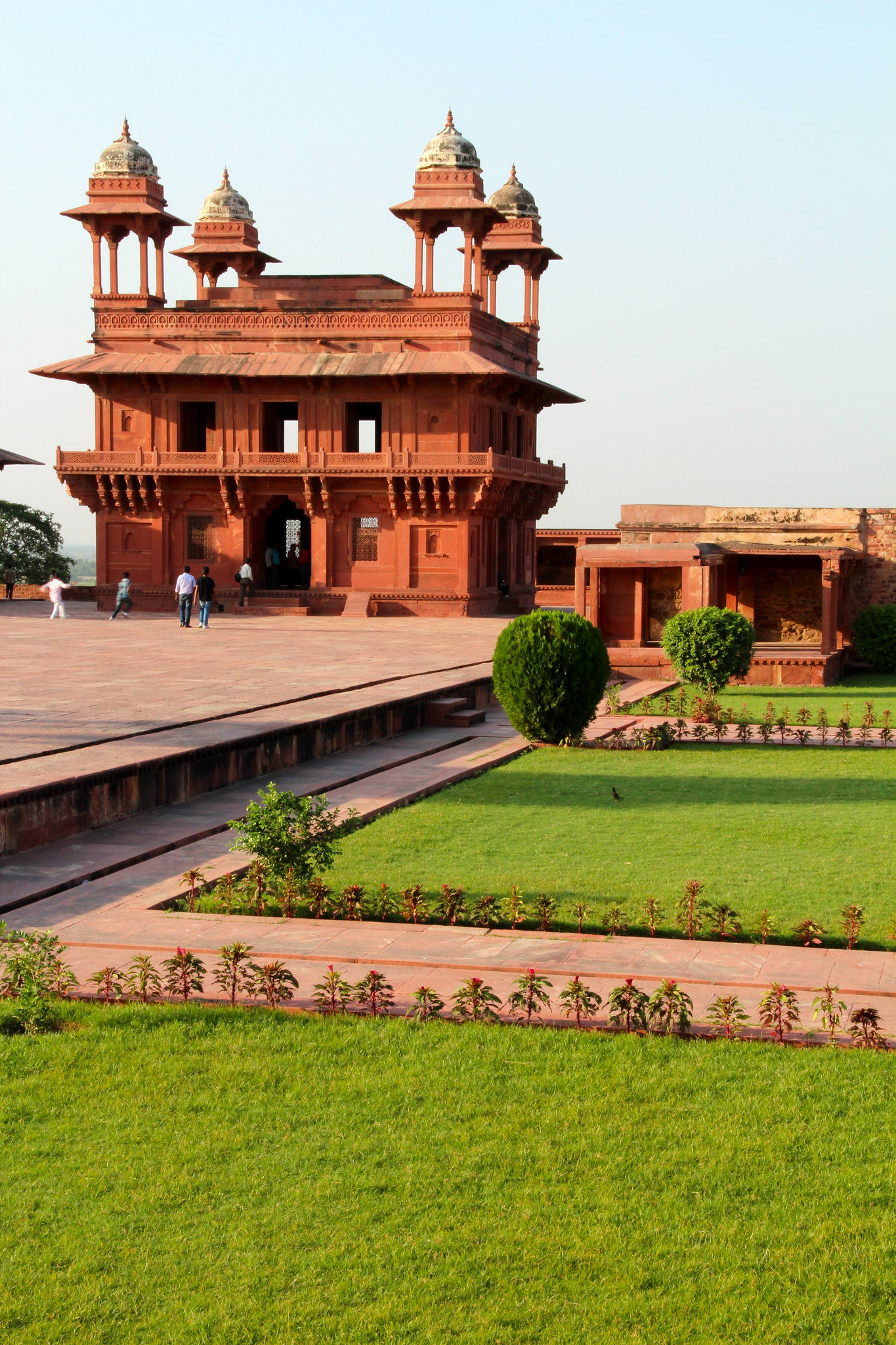
Emperor Akbar built this entire city from scratch in 1571, only to abandon it 14 years later. Today it is one of the best-preserved Mughal complexes in India. The Buland Darwaza gateway — 54 metres high — is the largest in the world.
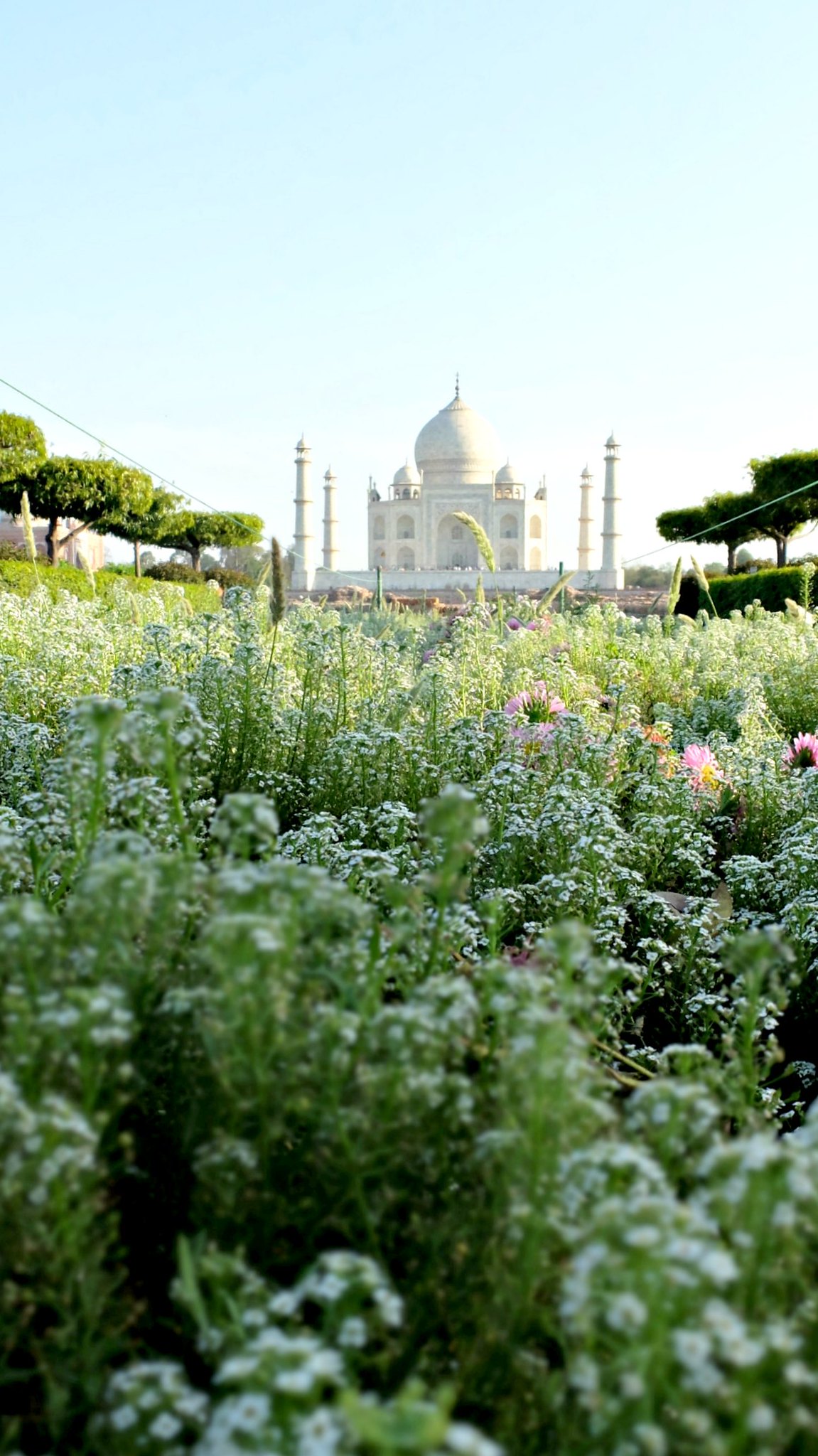
The Moonlight Garden directly across the Yamuna from the Taj Mahal offers the best sunset view you'll find anywhere in Agra — and the crowds are a fraction of those at the main complex. Shah Jahan reportedly planned to build a black marble twin here.
Arrive at the Taj by 6am for sunrise — the light is spectacular and crowds are manageable. By 9am the main walkway becomes very crowded.
October to March. Temperatures in summer (April–June) regularly exceed 45°C. The monsoon (July–September) brings humidity but also lush green gardens.
Cover shoulders and knees for the Agra Fort and Fatehpur Sikri. At the Taj itself, shoe covers are provided free of charge at the entrance — you'll need to remove your shoes before entering.
Agra's famous soft candy made from white pumpkin. The best is sold at Panchhi Petha on MG Road — avoid tourist-area stalls that sell stale stock.
The Taj Trapezium Zone restricts motor vehicles near the monument. Electric rickshaws (e-rickshaws) run from the parking area to the gate — budget ₹20–40.
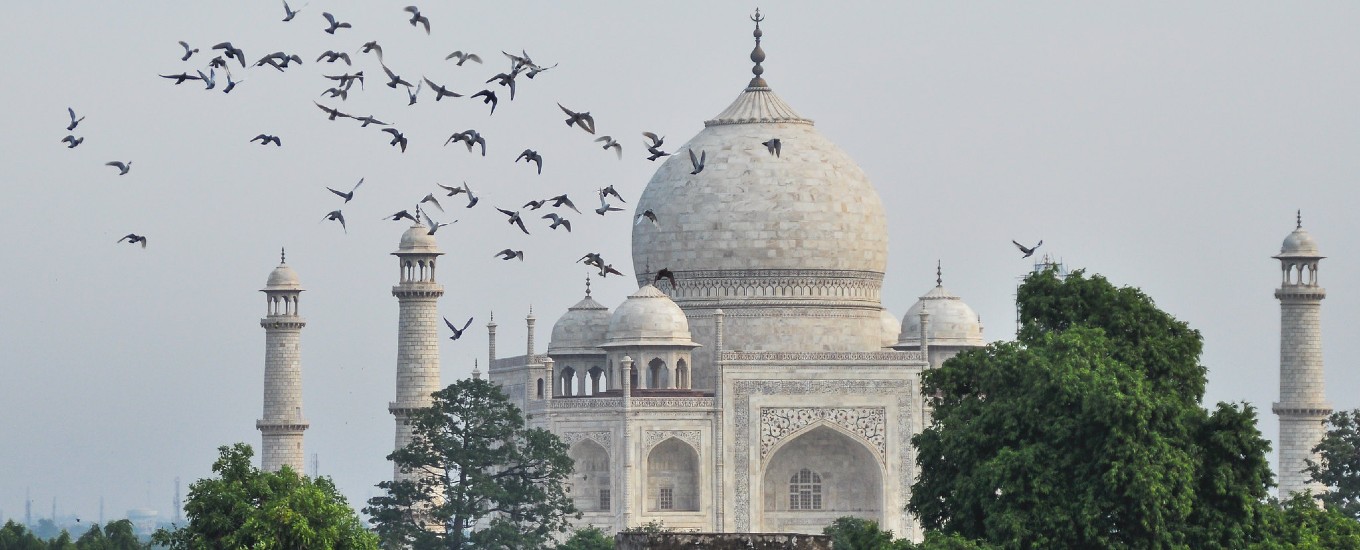
All our Agra tours include a licensed guide, skip-the-line entry, and comfortable private transport.

India's most popular tour circuit. Private transport, expert guides, sunrise Taj Mahal visit, and Amber Fort included.
View Tour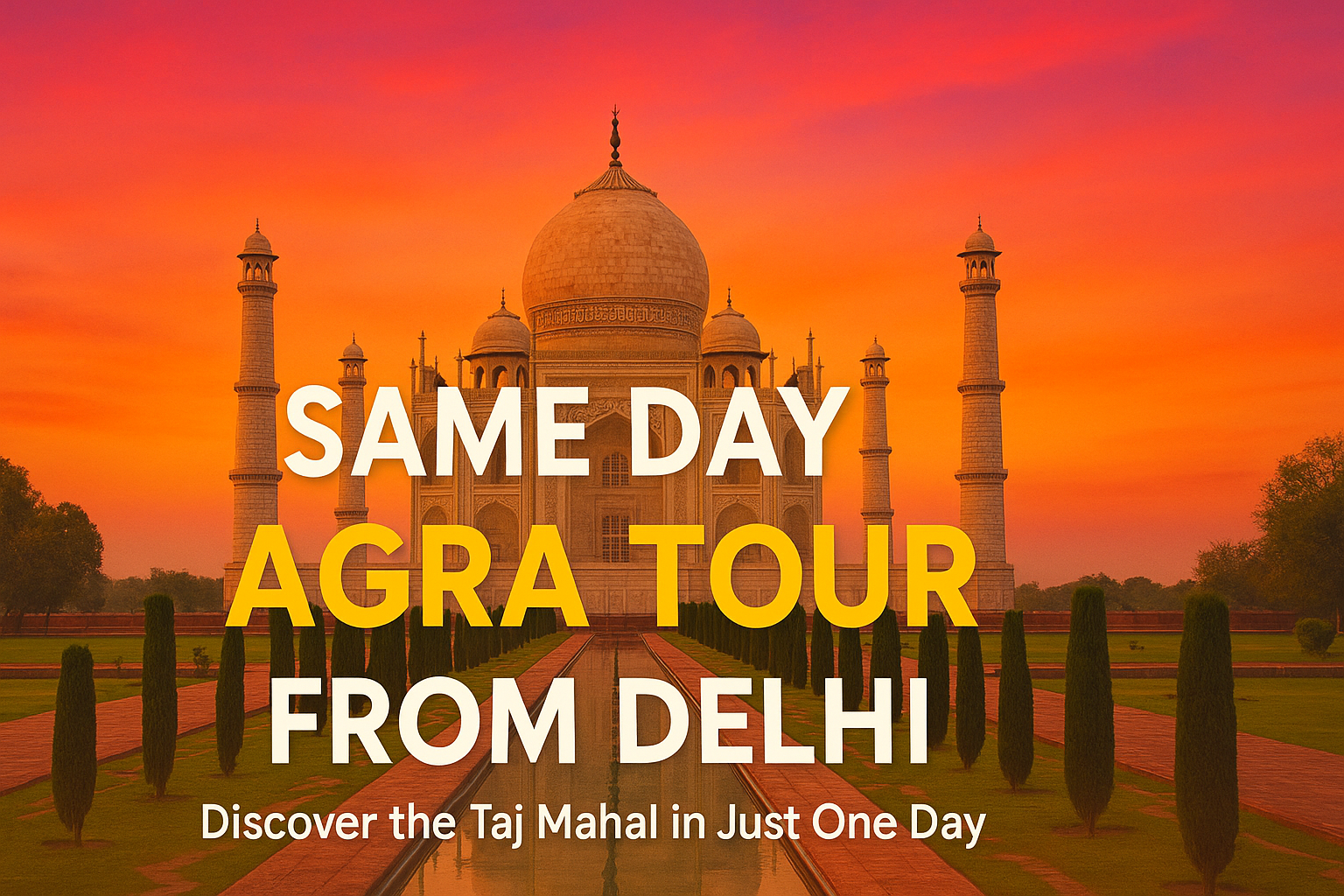
Depart early from Delhi, visit Taj Mahal and Agra Fort with a private guide, enjoy Mughlai lunch, and return by evening.
View Tour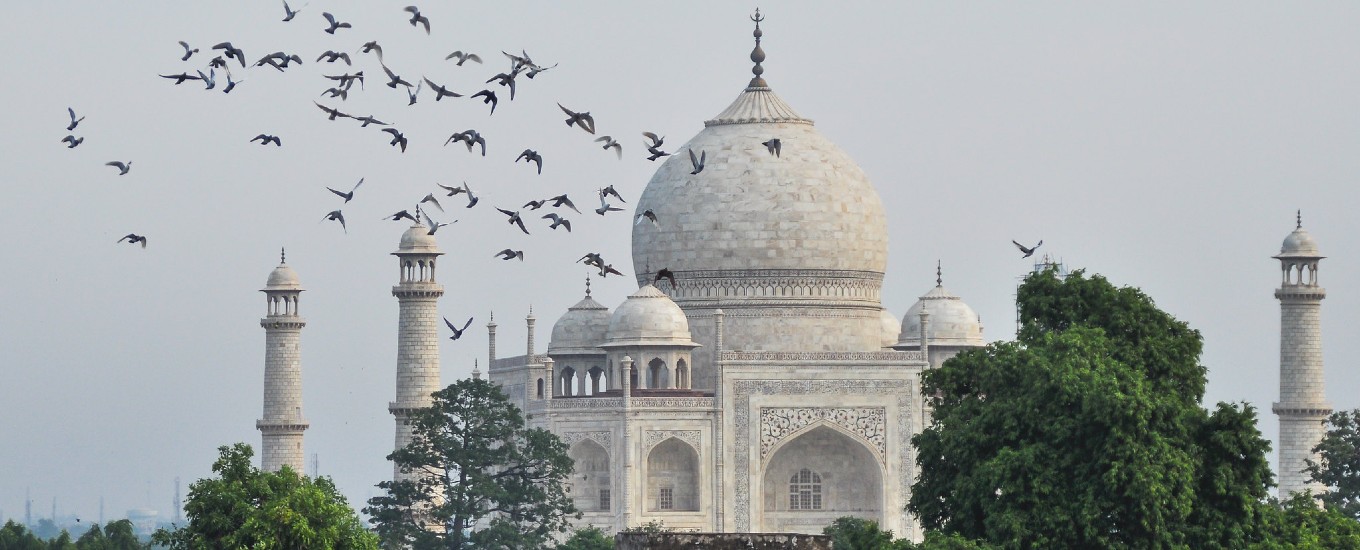
Add Agra to a longer Rajasthan journey or combine with Varanasi. Tell us what you want — we'll build the itinerary around you.
Get a QuoteWritten by Samarth Sharma, Agra-based tour guide since 2010. Last updated: June 2026.