The eternal city on the Ganges — one of the oldest inhabited cities on earth, where the river, the living, and the sacred meet at dawn.
Varanasi (also Benaras or Kashi) is one of the world's oldest continuously inhabited cities, located on the western bank of the Ganges in Uttar Pradesh, India. It is 300 km from Agra and 320 km from Lucknow. Its 88 stone bathing ghats, the nightly Ganga Aarti fire ceremony, and nearby Sarnath (where Buddha gave his first sermon) make it a major pilgrimage site for Hindus and Buddhists.
Varanasi is unlike any other city in India. One of the oldest continuously inhabited cities on earth — over 3,000 years of unbroken history — it sits on the western bank of the Ganges and has been a centre of Hindu pilgrimage, philosophy, and silk weaving since before recorded history began. Hindus believe that dying in Varanasi brings liberation from the cycle of rebirth.
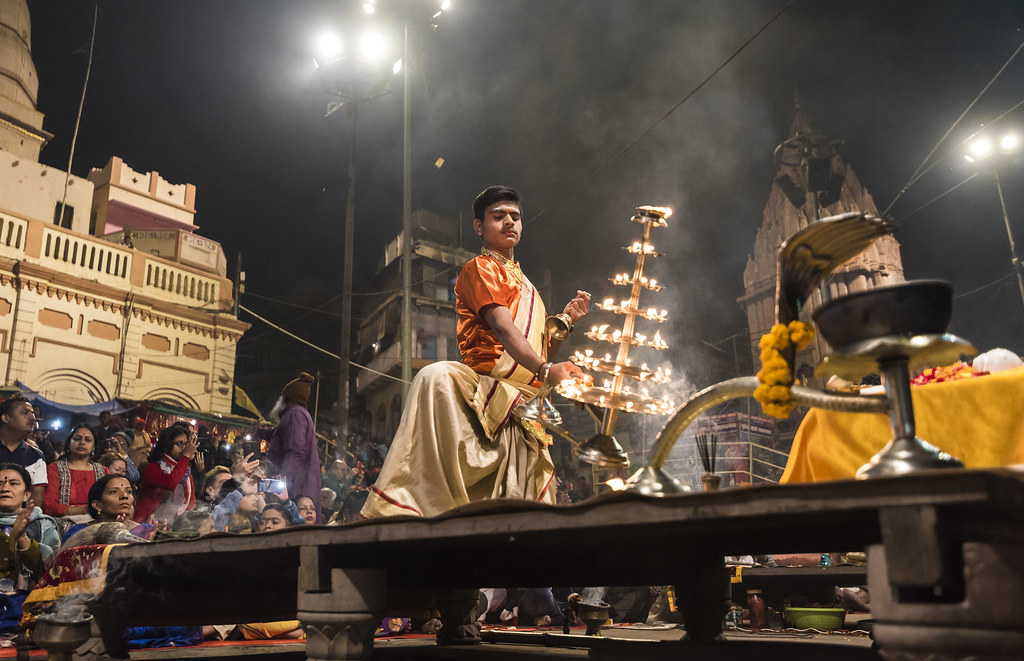
The city's 88 ghats — stone steps descending to the river — are the real attraction. At dawn, pilgrims bathe in the Ganges as the sun rises over the opposite bank. Priests perform the Ganga Aarti at Dashashwamedh Ghat each evening, a ceremony of fire, bells, and incense conducted simultaneously by seven priests that has been performed every single day for centuries.
Nearby Sarnath, just 10km from Varanasi, is where the Buddha gave his first sermon after attaining enlightenment — making it one of the four most sacred sites in Buddhism. The combination of Hindu and Buddhist significance in one place is found nowhere else in India.
A sunrise boat ride on the Ganges — watching the ghats come alive from the water as mist lifts — is consistently rated one of the top experiences in all of India. We arrange private boats as part of every Varanasi itinerary.
A city experienced through the senses — sight, sound, smell, and the water of the Ganges at first light.
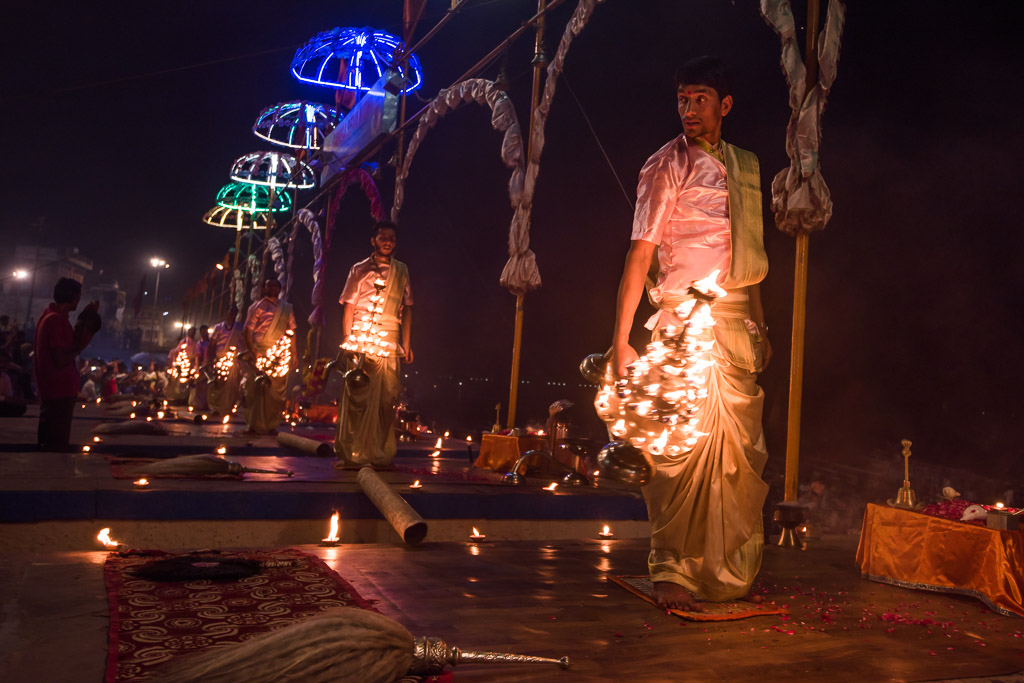
Every evening at sunset, seven priests perform the Ganga Aarti simultaneously — spinning fire lamps, blowing conch shells, and chanting Sanskrit hymns in a choreographed ritual that draws thousands of pilgrims and visitors. Arrive 30 minutes early for a good position, or watch from a boat on the river for the full panoramic view.
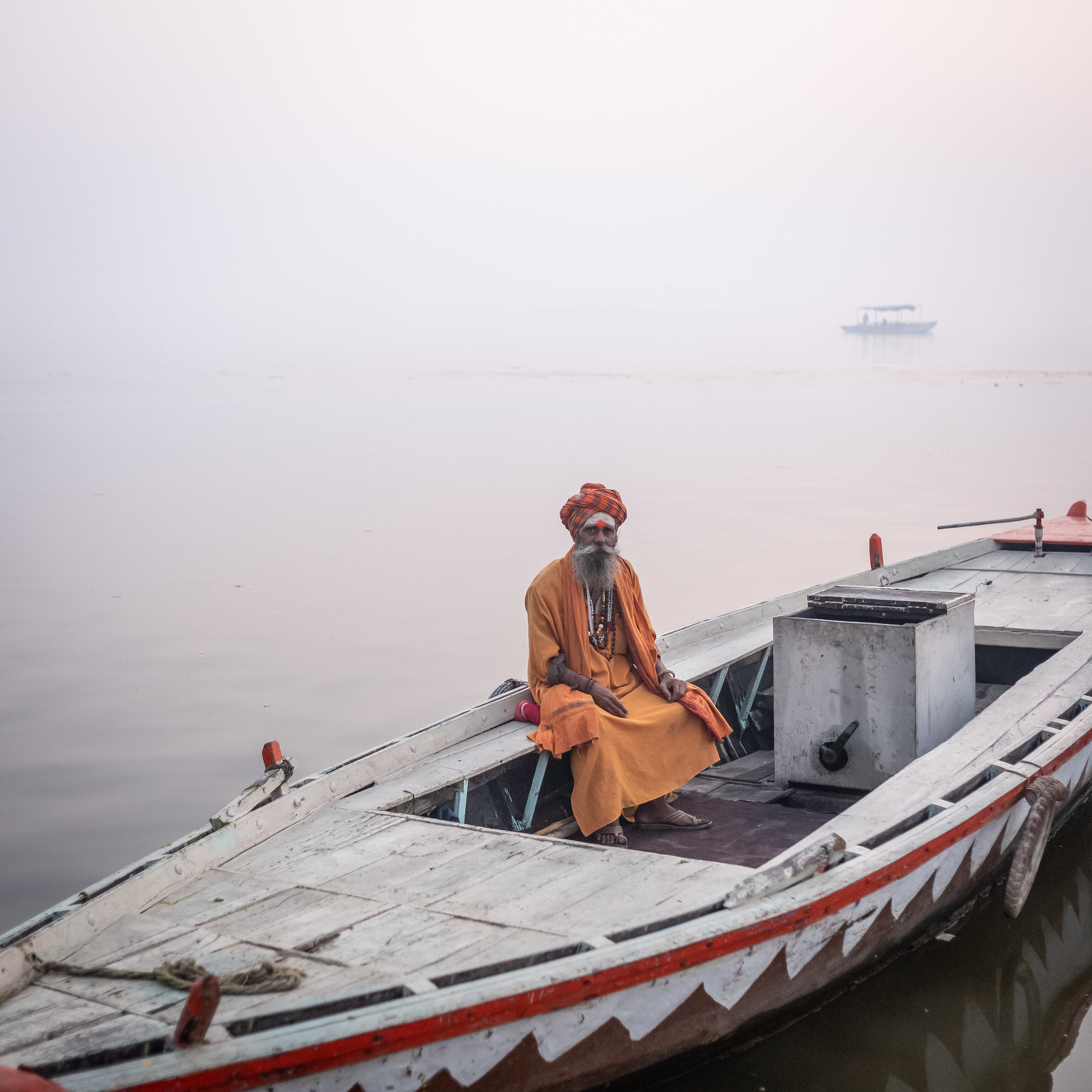
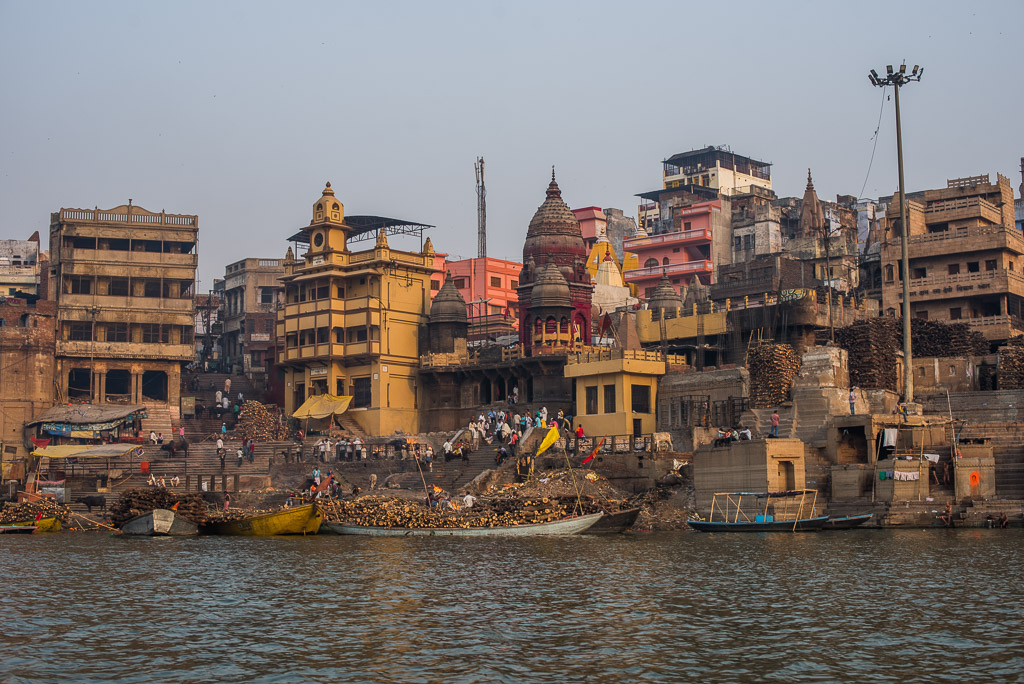
The most important two hours in Varanasi. A private rowing boat takes you along the ghats as the city wakes — bathers, priests, flower offerings, funeral pyres at Manikarnika Ghat, and the full sweep of the riverfront in golden morning light. No trip to Varanasi is complete without it.
Ten kilometres from Varanasi, Sarnath is where the Buddha delivered his first sermon after attaining enlightenment. The Dhamek Stupa (5th century AD), the Ashoka Pillar, and the excellent Archaeological Museum make this a half-day excursion that rivals the ghats for historical significance.
One of the twelve Jyotirlingas — the most sacred Shiva temples in Hinduism. The current temple was rebuilt in 1780 by Maharani Ahilyabai Holkar after the original was destroyed by Aurangzeb. Non-Hindus cannot enter the inner sanctum but can visit the corridor and witness the devotion of thousands of daily pilgrims.
October to March — cool, clear mornings make the boat ride exceptional. Dev Deepawali (November full moon) fills every ghat with 100,000 oil lamps and is one of India's most spectacular festivals. Avoid April–June when the heat is extreme.
Manikarnika Ghat — the main cremation ghat — is intensely photographic but demands absolute sensitivity. Never photograph cremations without explicit permission from families present. Our guides navigate this respectfully so you witness without intruding.
Cover shoulders and knees on the ghats and near temples. Remove shoes before entering any temple. Varanasi is an intensely sacred city — respectful, quiet behaviour is appreciated and noticed.
Varanasi is famous for its street food: kachori sabzi (spiced fried bread with potato curry) for breakfast, thandai (spiced cold milk) at Pehelwan Lassi, and Banarasi paan to finish. The old city lanes near Vishwanath Temple have the best vendors.
Lal Bahadur Shastri Airport has direct flights from Delhi (1.5 hrs), Mumbai, and Kolkata. The overnight Kashi Express from Delhi (12 hrs) is a classic train journey that arrives refreshed for a morning boat ride.

Varanasi pairs perfectly with the Golden Triangle — adding a spiritual dimension that no other city in India can match.
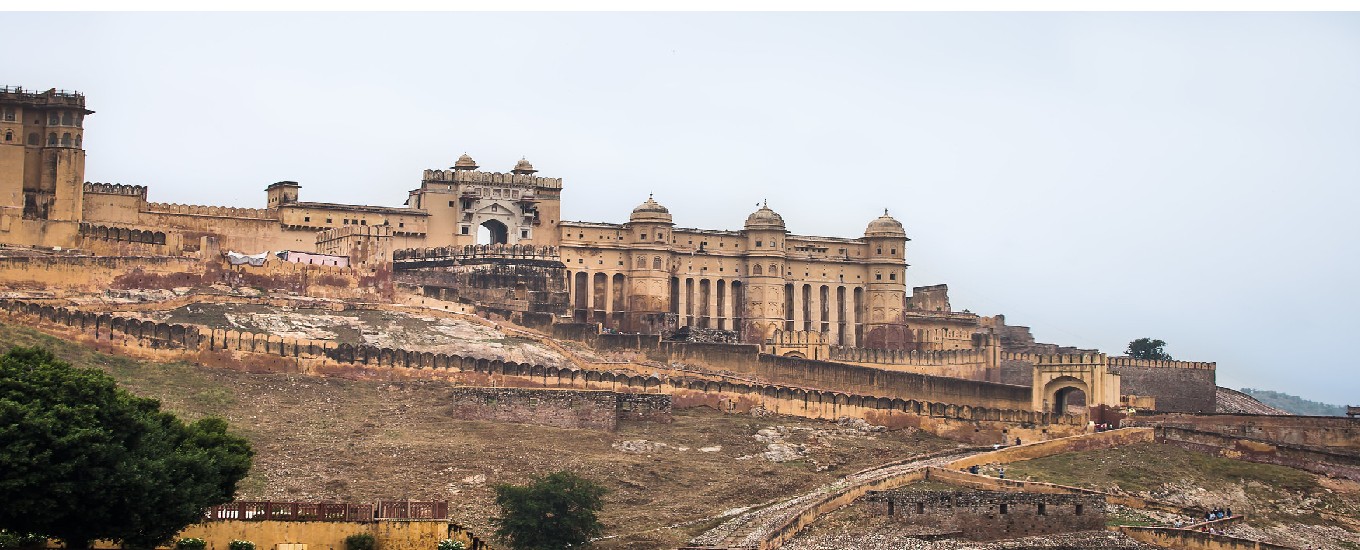
The most complete first-India tour: Mughal monuments, Rajput forts, and the ancient Ganges. Two nights in Varanasi gives you the aarti, the sunrise boat ride, and Sarnath.
Get a Quote
Two nights dedicated entirely to Varanasi: evening Ganga Aarti, dawn boat ride, old city walk with a guide, and a half-day at Sarnath.
Book Now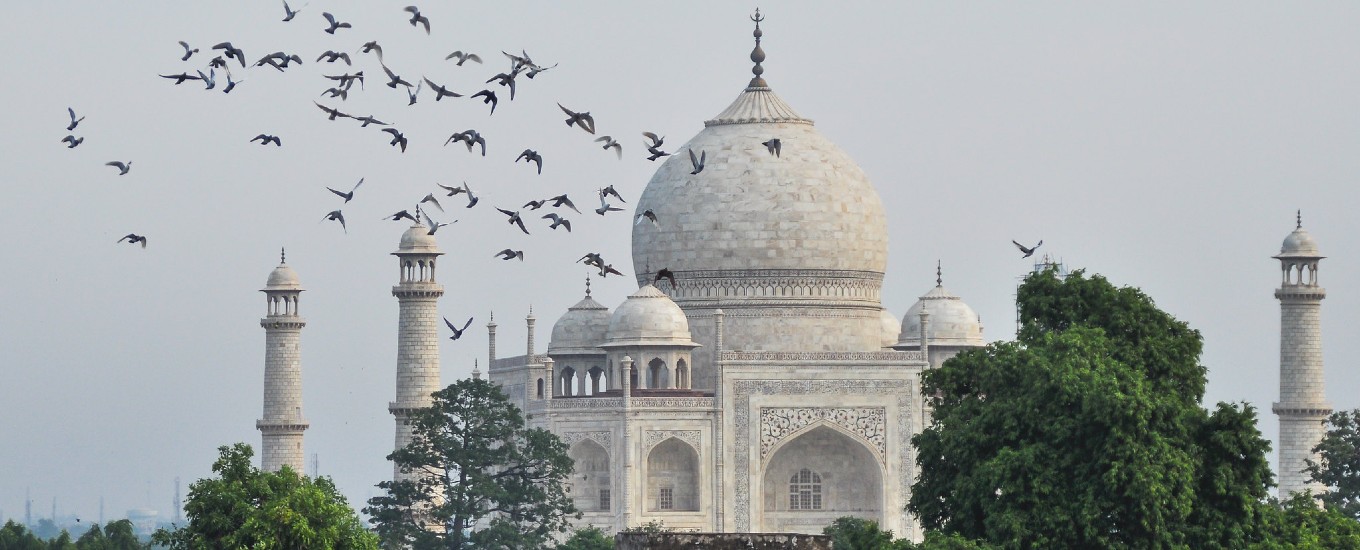
The complete India experience: Golden Triangle, Ranthambore tiger safari, Rajasthan circuit, finishing at the eternal city of Varanasi.
Get a QuoteWritten by Samarth Sharma, India tour guide since 2010. Last updated: June 2026.