
India's most famous tiger reserve — where Bengal tigers hunt in the open around ancient ruins and shimmering lakes.
Ranthambore National Park is a Project Tiger reserve in Rajasthan, India, located between Agra (180 km) and Jaipur (130 km). It protects approximately 75 Bengal tigers across 1,334 sq km of dry deciduous forest. A 10th-century Rajput fort stands in the park's core zone. Safari permits for peak season (October–March) sell out 90 days in advance.
Ranthambore is unique among India's tiger reserves. The park's core zone contains a 10th-century fort — a UNESCO-recognised heritage site — whose crumbling walls, temples, and lakes form the backdrop for tiger sightings that look like scenes from a natural history film. Tigers here are famously bold: daylight sightings at close range are far more common than at most other reserves.
The park protects around 75 Bengal tigers in 1,334 sq km of dry deciduous forest, grassland, and lake habitats. Beyond tigers, the park hosts leopards, sloth bears, mugger crocodiles, hyenas, over 300 species of birds, and herds of sambar deer that gather at the lakes at dusk in enormous numbers.
Ranthambore sits on the route between Agra and Jaipur — making it a natural addition to the Golden Triangle. A two-night stay gives you four safaris and dramatically increases your chances of a tiger sighting.
Safari permits sell out 90 days in advance during peak season (October–March). Book your Ranthambore safaris the moment your travel dates are confirmed — we handle this as part of your tour booking.
Ranthambore is divided into 10 zones. Zone allocation is partly by lottery — but we book across multiple zones to maximise your chances.
The original five zones around Padam Talao and Ranthambore Fort. Highest tiger density, most dramatic scenery. These permit slots sell out fastest — book 90 days ahead.
The newer buffer zones have lower tiger density but offer excellent leopard, bear, and bird sightings. Less crowded, and permit availability is better for last-minute bookings.
A Gypsy (6-seat open jeep) gives more flexibility and intimacy. A Canter (20-seat open bus) is cheaper but less manoeuvrable. We recommend Gypsies — the experience is significantly better.
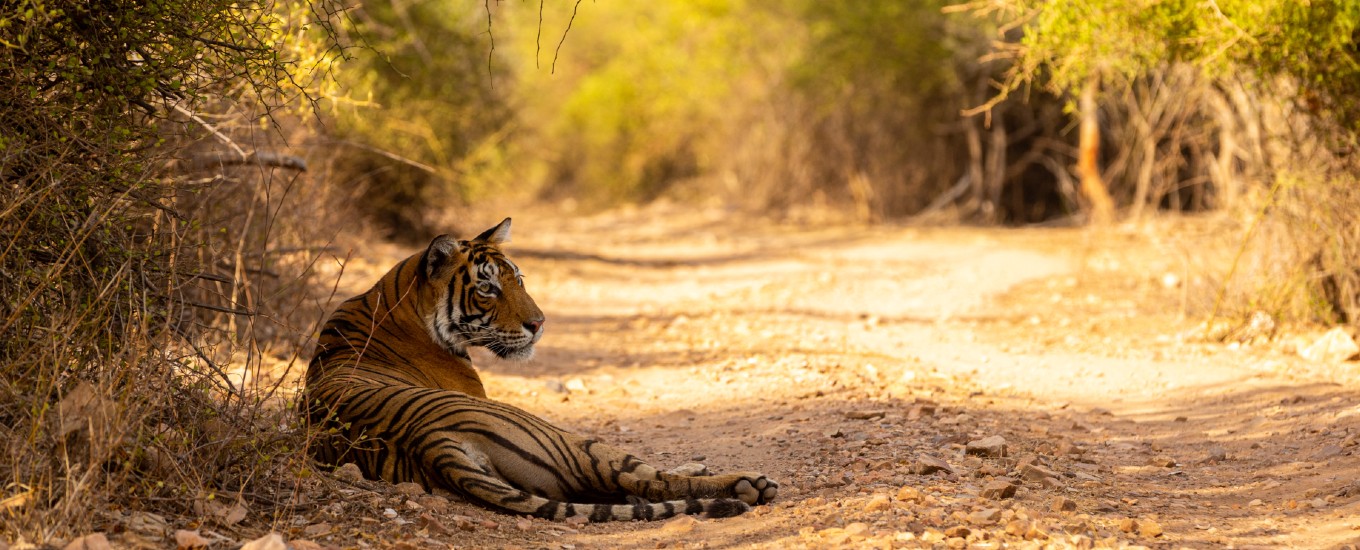
Ranthambore tigers are among the most habituated to vehicles in India — they often approach within metres. Dawn safaris (6–9:30am) and dusk safaris (3–6:30pm) are when activity is highest. April–June is counterintuitively excellent: tigers visit water sources in the heat.
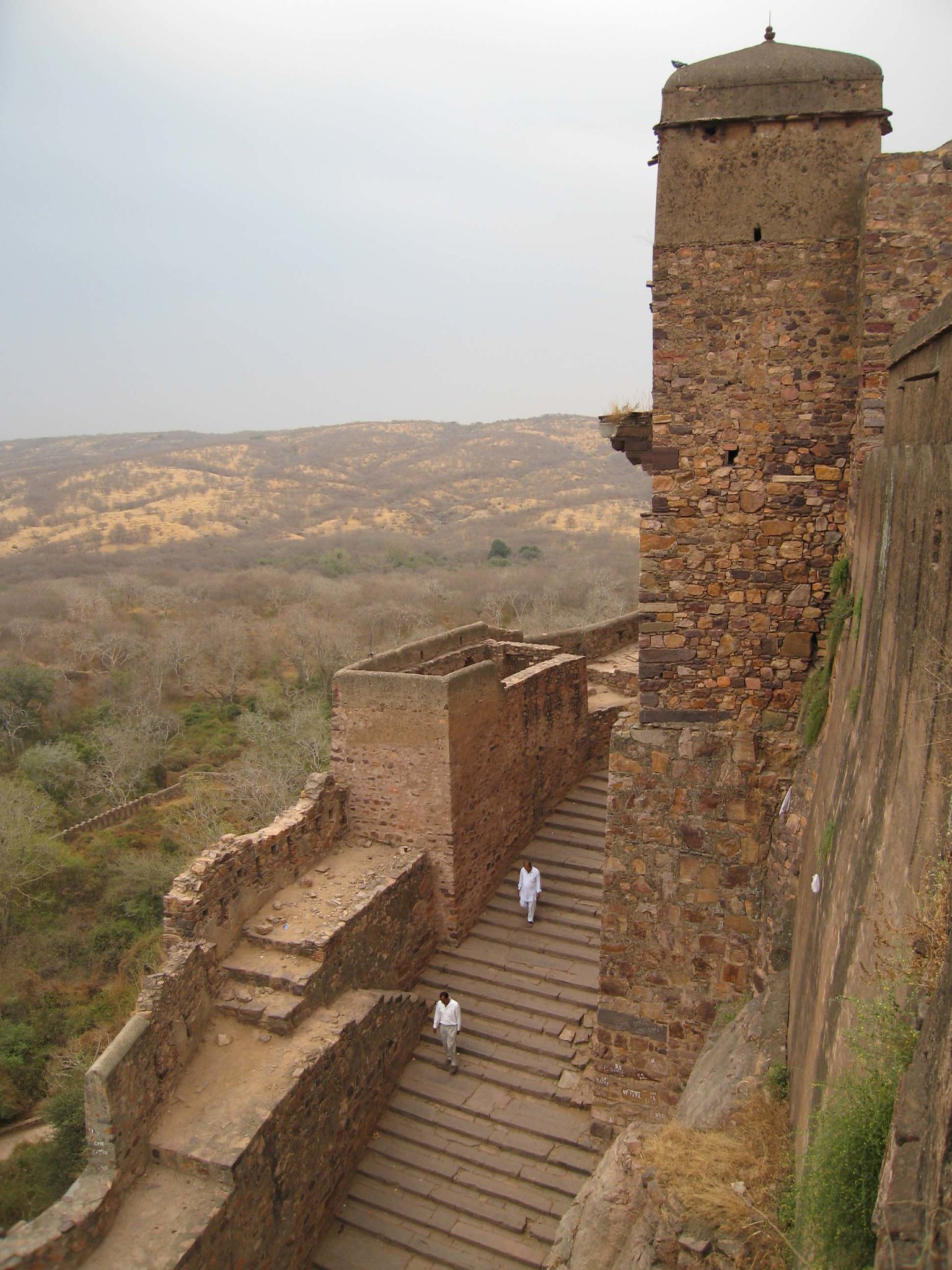
A 10th-century Rajput fort that predates the park by nearly 1,000 years. Its temples, stepwells, and ramparts are now surrounded by forest — a surreal combination of history and wilderness. Tigers regularly patrol its base. Accessible on foot from Zone 1 with a guide.

Three lakes in the core zone attract enormous concentrations of wildlife at dusk — sambar deer by the hundred, mugger crocodiles, kingfishers, and painted storks. The lakes reflect the fort walls and are among the most spectacular wildlife photography locations in Asia.
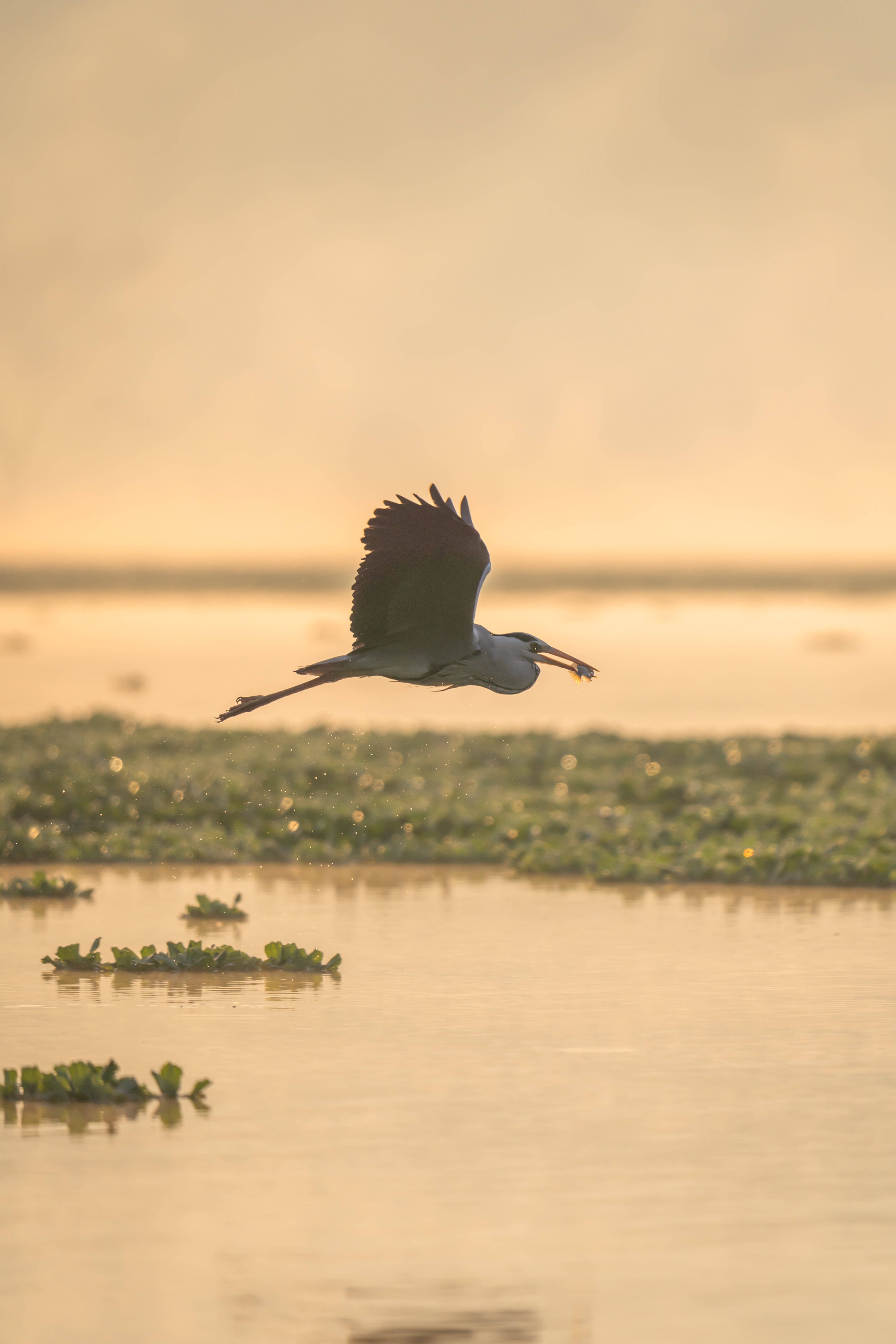
Ranthambore is an underrated birding destination. The lakes host painted storks, spoonbills, and cormorants. The forest shelters crested serpent eagles, Indian scops owls, and collared falconets. Dawn safaris before tiger activity peaks are ideal for birding.
October–March for weather (cool, comfortable). April–June for tiger sightings (they come to water in the heat). The park closes July–September for monsoon.
Bring the longest lens you have — a 400mm or 500mm is ideal. Dust is significant in the dry months; protect your kit. We provide a safari briefing covering what to expect and photograph.
Neutral or earth-tone clothing — avoid bright colours and white. Long sleeves and trousers protect against sun and insects. A light fleece is essential for early-morning winter safaris (temperatures can hit 5°C before sunrise).
Stay inside or immediately adjacent to the park for early safari access. Aman-i-Khás (luxury tented camp, limited rooms) and Oberoi Vanyavilas are the finest options. Mid-range: RTDC Vinayak and several quality lodges on Ranthambore Road.
A tiger sighting is never guaranteed — the park has a roughly 60–70% sighting rate across two safaris in peak season. Our guides maximise your odds with zone knowledge and 20+ years of reading animal behaviour.
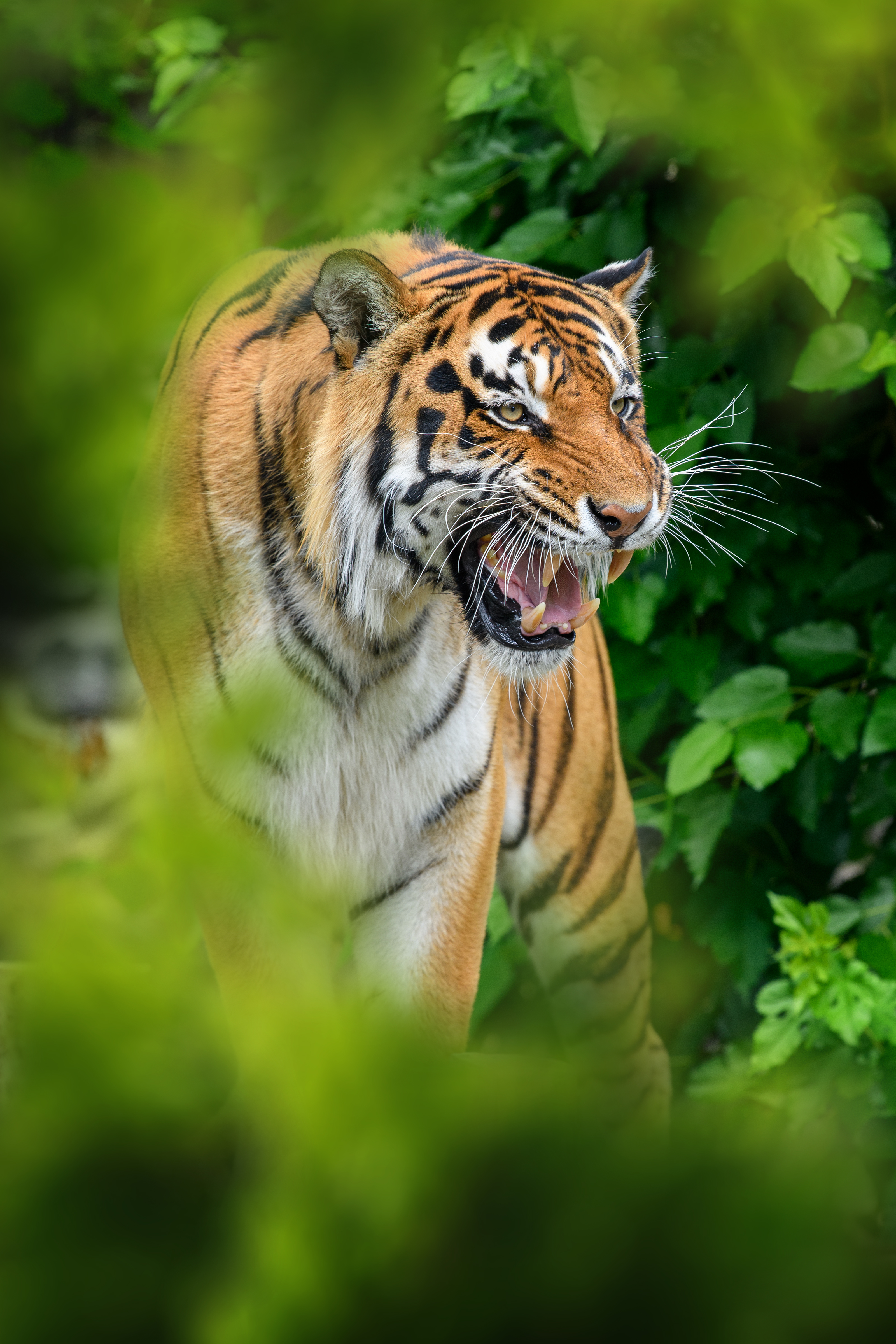
Ranthambore sits 3–4 hours from both Agra and Jaipur — the perfect add-on to any Golden Triangle tour.
India's most popular tour circuit with a two-night tiger safari added between Agra and Jaipur. The perfect India first trip.
View Packages
Two nights with four safaris — the minimum we recommend for a reasonable chance of a tiger sighting in the core zones.
Book Now
Ranthambore tigers followed by Rajasthan's forts and deserts — combining the best of India's wildlife and cultural heritage.
Get a QuoteWritten by Samarth Sharma, India wildlife tour guide since 2010. Last updated: June 2026.