Best Tours in India for First-Time American Travelers (2026 Guide)
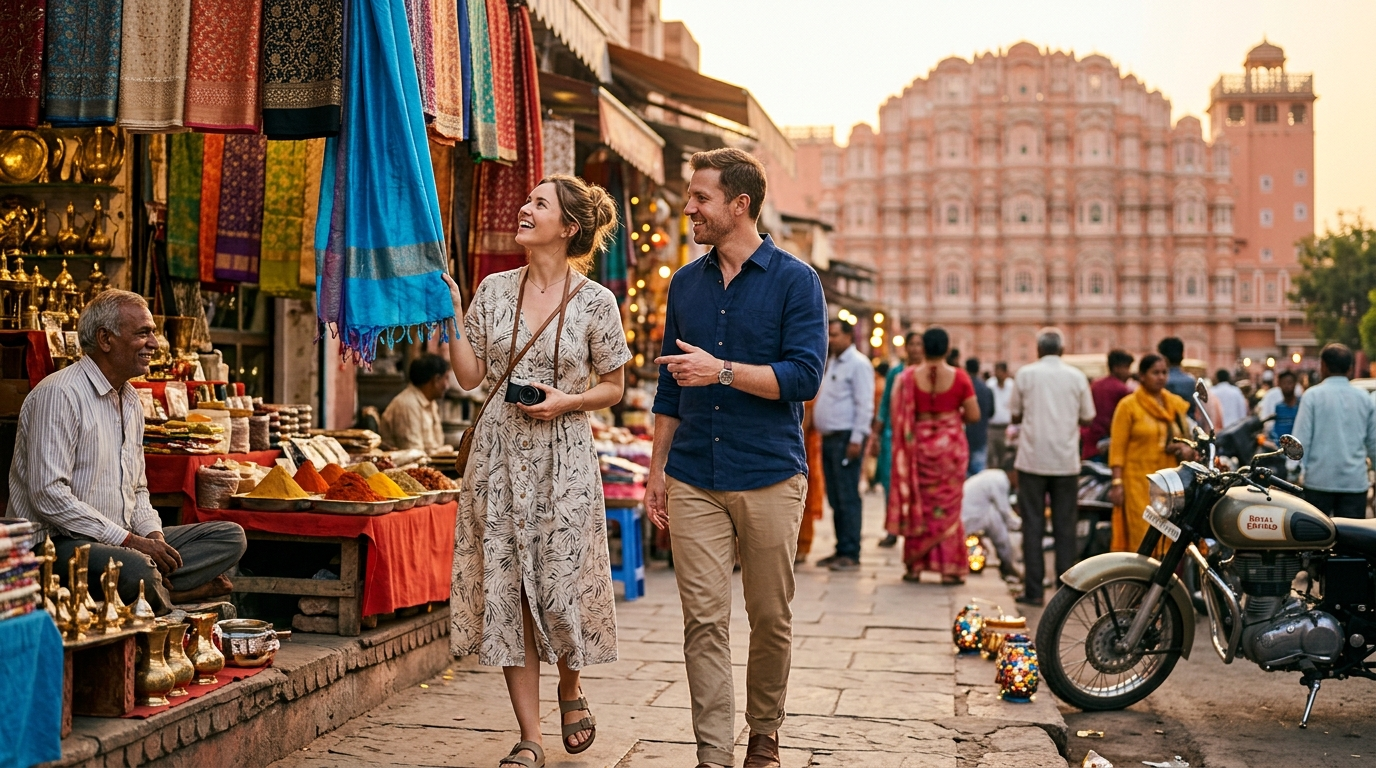
ndia is not a destination you simply visit. It is one you feel — in the heat of the bazaars, the silence of a sunrise Taj Mahal, the chaos of Old Delhi streets, and the warmth of every host who greets you at the door.
For first-time American travelers, India arrives with a hundred emotions at once: excitement, beauty, overwhelm, mystery, and possibility. After organizing more than 1,200 private journeys across India for US-based travelers, one pattern repeats without exception:
People arrive nervous. They leave transformed.
The best tours in India are not about rushing through landmarks or ticking monuments off a list. They are about experiencing the country comfortably, safely, and authentically — without the stress, tourist traps, or exhaustion that many first-time visitors fear before they arrive.
This guide answers every question Americans ask before their first India trip.
What Are the Best Tours in India for First-Time Visitors?
The best tours in India for first-time American visitors are the Golden Triangle Tour (Delhi–Agra–Jaipur), luxury Rajasthan circuits, cultural Varanasi experiences, and Ranthambore wildlife safaris. Each offers a distinct entry point into India’s history, culture, and landscape — and the best itineraries combine two or more in a single private journey.
Here is how each stands apart.
1. Golden Triangle Tour India
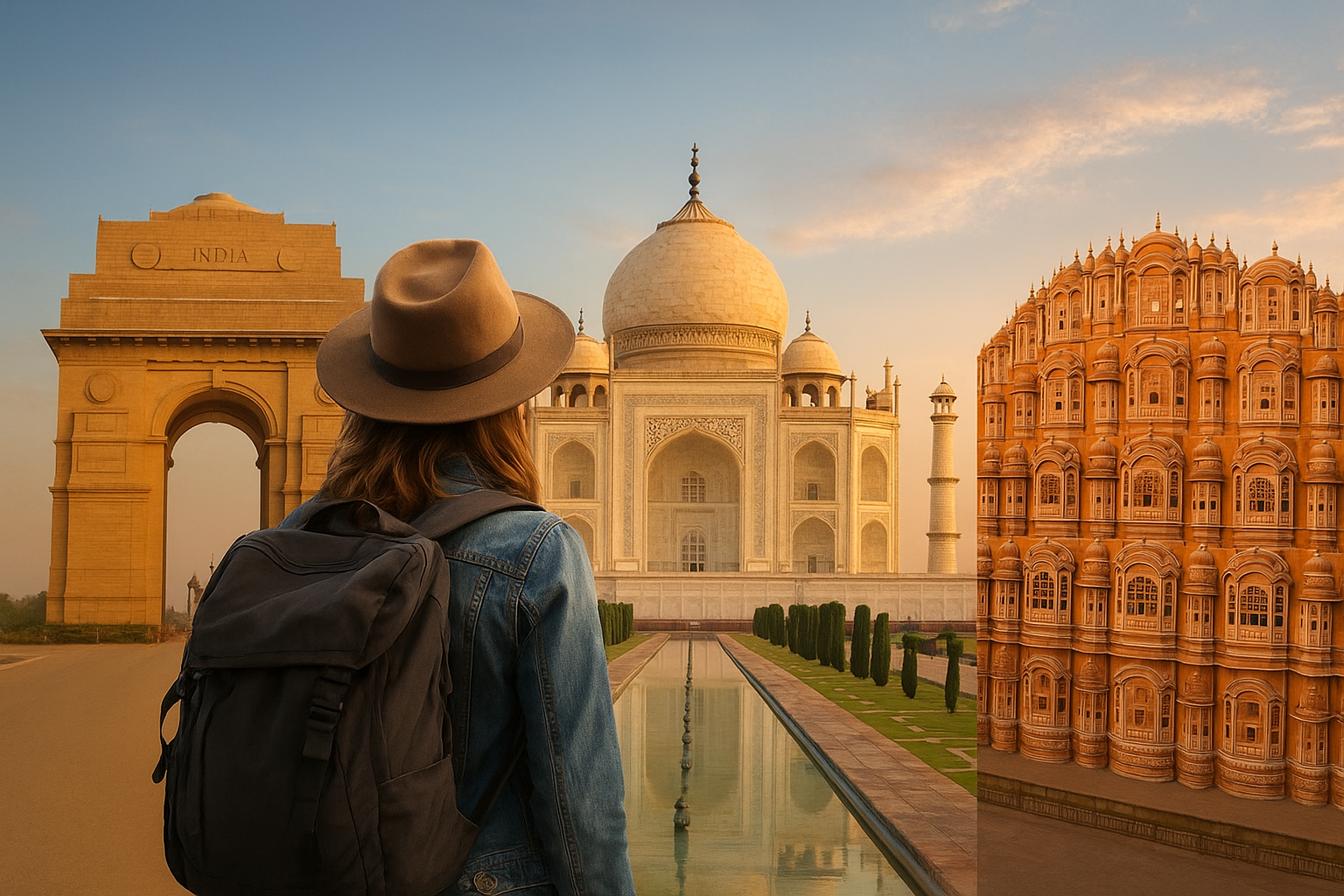
The Golden Triangle Tour is India’s most recognized first-time itinerary — and with good reason.
What it covers:
| City | Primary Experience |
|---|---|
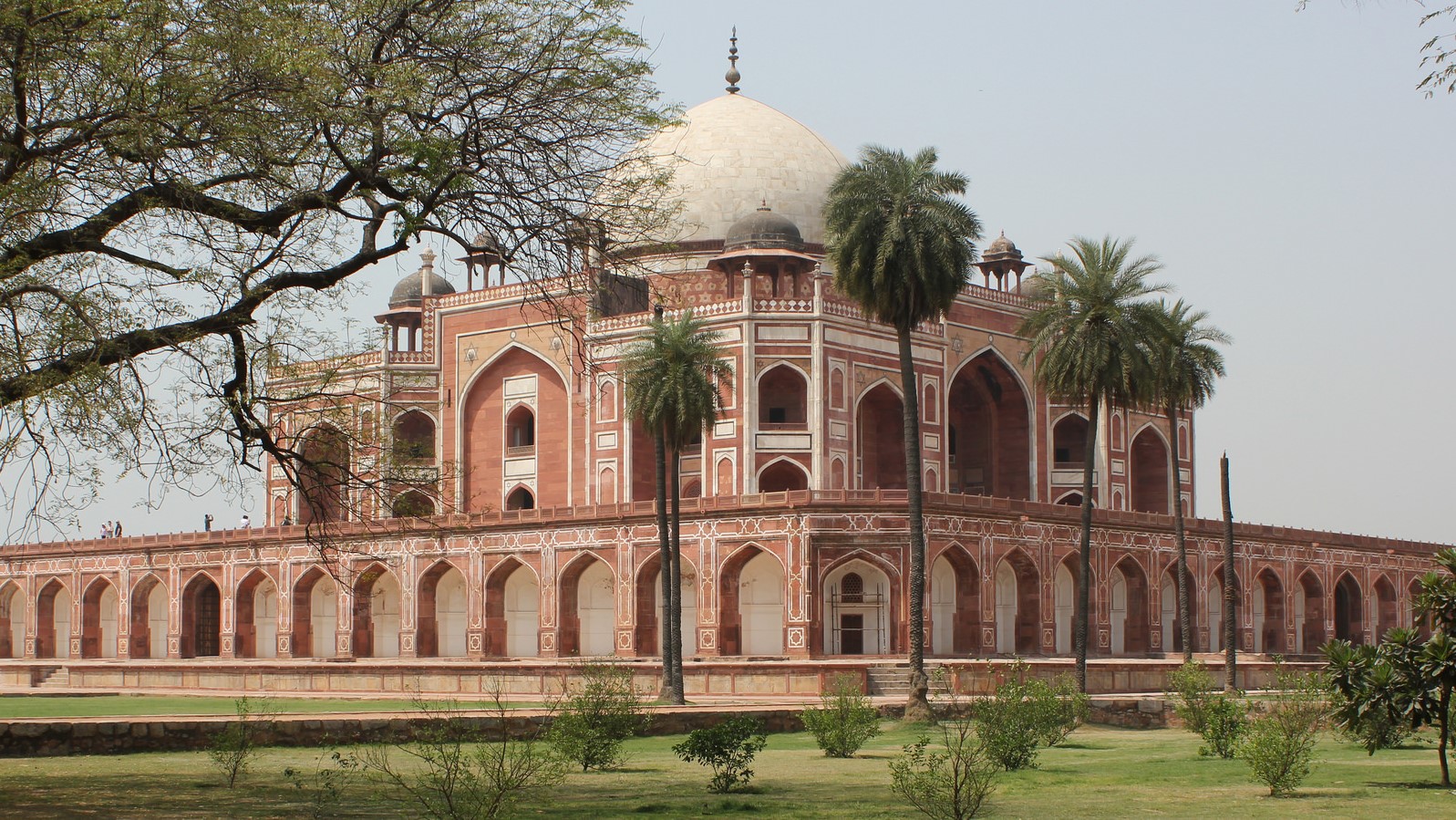
| Delhi | Mughal history, Old City bazaars, world-class dining |
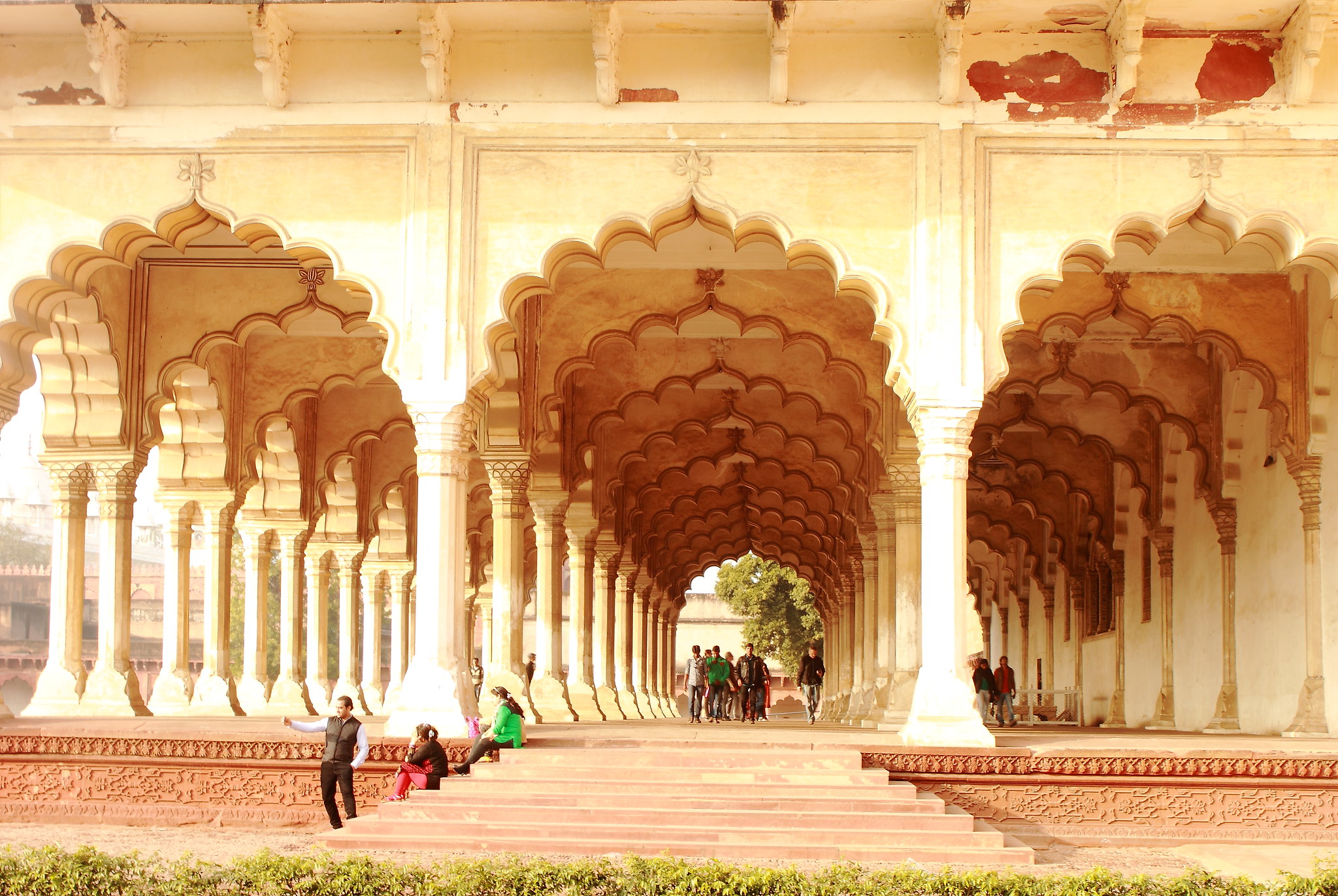
| Agra | Taj Mahal, Agra Fort, artisan craft culture |
| Jaipur | Royal palaces, Amber Fort, vibrant textile markets |
Why it works for Americans: The route covers 700+ years of Indian history across three distinct cities — each with its own personality, architecture, and food culture — without requiring internal flights. Heritage hotels along this corridor rank among the finest in the subcontinent.
What most tour companies get wrong: They compress it into 4–5 days with back-to-back drives and packed schedules. India should be experienced slowly.
The best Golden Triangle tours give travelers time to breathe — slow mornings, authentic meals, unscheduled hours in a market, conversations with locals. That is the difference between seeing India and actually experiencing it.
Ideal duration: 6–8 days for the Golden Triangle alone; 10–14 days when extended into Rajasthan.
2. Rajasthan Luxury Tours
If the Golden Triangle is India’s introduction, Rajasthan is its love letter.
Rajasthan feels cinematic in a way few destinations in the world can match. Grand hilltop forts. Candlelit desert courtyards. Palaces turned into five-star hotels. Markets erupting in color. Camels at dusk.
Key Rajasthan cities for first-time visitors:
- Jaipur — the Pink City; royal palaces, bustling bazaars, and India’s finest luxury hotels
- Udaipur — the Venice of the East; lake palaces, rooftop dining, romantic atmosphere
- Jodhpur — the Blue City; the magnificent Mehrangarh Fort perched above a sea of cobalt houses
- Jaisalmer — the Golden City; desert dunes, camel safaris, living fort architecture
For American travelers seeking luxury with authenticity, Rajasthan is consistently the highlight of any India itinerary. It combines history, photography, culture, architecture, and slow travel in a way no other region does.
Ideal for: Luxury travelers, photography enthusiasts, heritage hotel seekers, and couples.
3. Varanasi Cultural Tours
Varanasi is one of the oldest continuously inhabited cities on earth — over 3,000 years old. It is not a destination for luxury in the conventional sense. It is a destination for perspective.
What a Varanasi experience includes:
- Sunrise boat ride on the Ganges River
- Evening Ganga Aarti ceremony (one of the most visually powerful events in India)
- Ancient ghats and centuries-old temples
- Early morning meditation and silk weaving workshops
Varanasi is not for everyone. But for the traveler who wants to understand India at its most spiritual, most ancient, and most human — this is among the most unforgettable experiences in the country.
Recommended: Add 2–3 nights in Varanasi to any Golden Triangle or Rajasthan itinerary.
4. Ranthambore Wildlife Safari Tours
Many first-time visitors are surprised to discover that India offers world-class luxury wildlife safaris.
Ranthambore National Park in Rajasthan is one of the best places on the planet to spot Bengal tigers in the wild. The park is home to over 70 tigers, and open-vehicle safaris led by expert naturalists give travelers a genuine chance of sightings at close range.
The most popular combination itinerary:
Delhi → Agra → Ranthambore → Jaipur
This four-stop circuit delivers culture, architectural history, wildlife, and royal heritage in a single seamless 10–12 day journey — and is one of the best tour packages in India for first-time visitors who want variety.
Which Is the Best Tour Package in India for Americans?
The best India tour package for first-time American visitors is a 10–14 day private luxury Golden Triangle and Rajasthan tour. It balances comfort, cultural depth, pacing, and safety without becoming exhausting.
A well-designed private tour includes:
- Private air-conditioned vehicle with a dedicated driver
- Carefully selected heritage and luxury hotels
- Licensed local expert guides at each destination
- No commission-based shopping stops
- Flexible daily pacing
- 24/7 on-ground support
That last point — no forced shopping stops — matters more than most travelers realize before they arrive. Many budget and group India tours depend heavily on commission arrangements with shops, which waste travelers’ time and create uncomfortable pressure. A quality India tour company earns through the experience itself, not through retail commissions.
Private Tours vs. Group Tours in India
For most first-time American travelers, private tours in India are significantly better than group tours. This is especially true for luxury travelers, couples, families, and anyone over 50.
Here is how they compare:
| Factor | Private Tour | Group Tour |
|---|---|---|
| Pacing | Your schedule | Fixed group itinerary |
| Hotel quality | Tailored to your preference | Pre-selected for the group |
| Flexibility | Full | None |
| Shopping stops | None (with a good operator) | Often commission-based |
| Driver/guide | Dedicated to you | Shared with 15–25 others |
| Cost perception | “Expensive” | “Affordable” |
The cost reality: When booked directly through an experienced local tour operator, private India tours often cost only marginally more than premium group tours — sometimes the same — while delivering a dramatically different quality of experience.
India is intense in the best possible way. Having a private driver, a knowledgeable guide, and flexible pacing transforms the journey from something to survive into something to savour.
What Is the Best Time to Visit India?
The best time to visit India for first-time American travelers is October through March. This is the country’s peak tourist season — and for good reason.
October to March: Ideal Season
| Month | Conditions | Notes |
|---|---|---|
| October | Warm, post-monsoon green | Excellent for all regions |
| November | Pleasant and clear | Peak photography conditions |
| December | Cool and comfortable | Festive atmosphere in cities |
| January | Cold nights in Rajasthan | Best Ranthambore tiger safaris |
| February | Ideal across the board | Good availability |
| March | Warm, flowers in bloom | Holi festival (late Feb/March) |
April–June: Hot Season
Temperatures in North India — particularly across the Golden Triangle and Rajasthan — reach 40–48°C (104–118°F) during May and June. For first-time visitors unfamiliar with Indian heat, these months can be physically exhausting and limit outdoor sightseeing.
July–September: Monsoon Season
Monsoon brings relief from heat and dramatic green landscapes, but also disruptions to travel, road conditions, and safari operations. Ranthambore closes entirely from July to September.
Best months for budget travelers: May, June, July, and August offer the lowest hotel rates and tour prices — often 30–40% below peak season. However, first-time visitors are strongly advised to prioritize the October–March window.
How Many Days Do You Need in India?
For a first-time visit, 10 days is the absolute minimum. Fourteen days is strongly recommended.
India rewards slower travel. The country is vast, diverse, and layered — and every destination rewards an extra day of unhurried exploration over an additional rush to the next stop.
Recommended durations by itinerary:
| Itinerary | Minimum Days | Ideal Days |
|---|---|---|
| Golden Triangle only | 6–7 | 8–9 |
| Golden Triangle + Rajasthan | 10 | 14 |
| Golden Triangle + Varanasi | 9 | 12 |
| Golden Triangle + Ranthambore + Rajasthan | 12 | 15–16 |
Travelers who arrive planning a “quick 7-day trip” almost universally wish they had stayed longer. India’s most meaningful moments — a conversation with a palace caretaker, an unplanned market find, a quiet sunrise on the Ganges — happen when the schedule has room for them.
Can You Do a Day Trip to the Taj Mahal from Delhi?
Technically yes. But a Taj Mahal day trip from Delhi is not recommended — especially for first-time visitors.
The Taj Mahal deserves more than a quick photo stop.
Travelers who stay overnight in Agra experience:
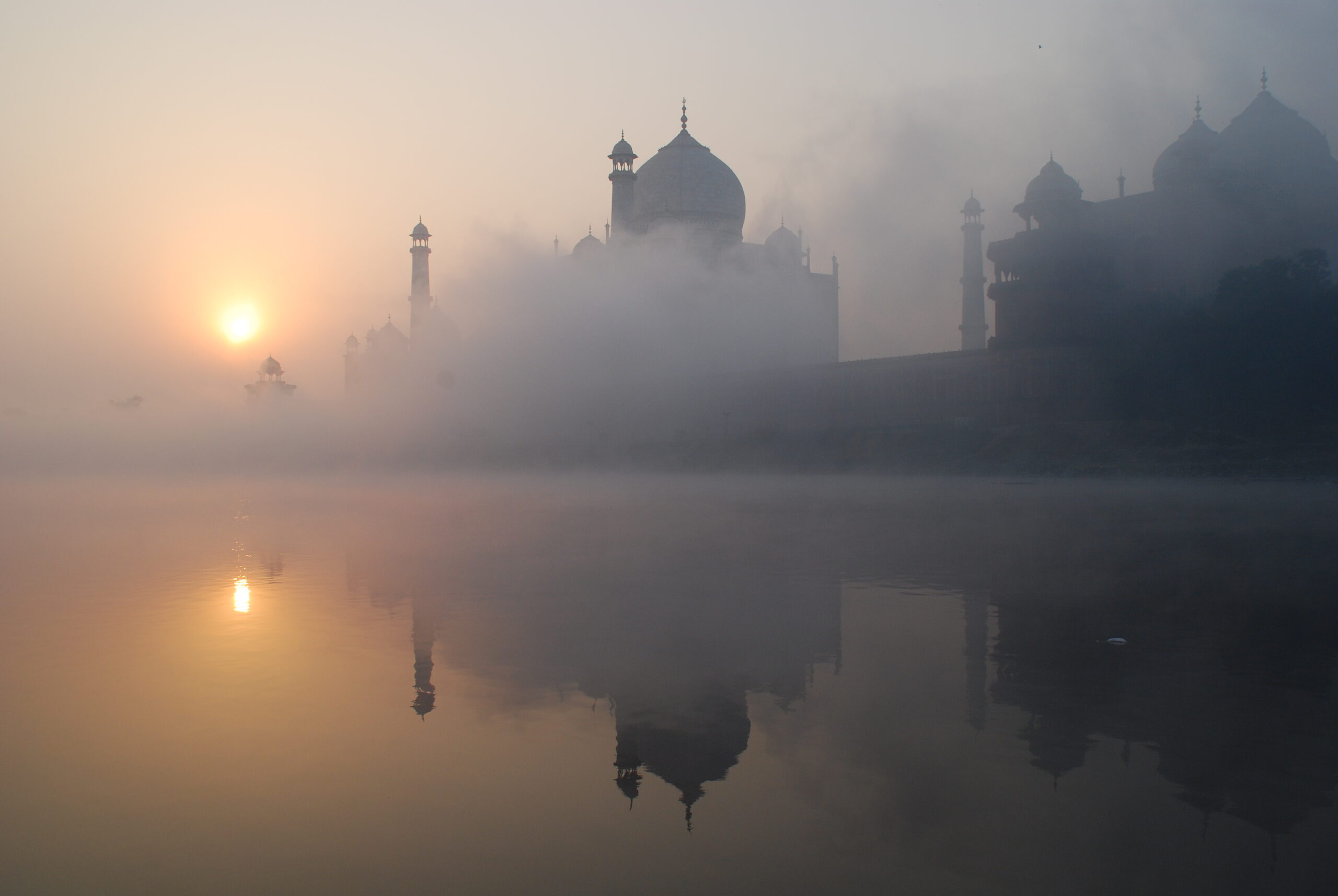
- Taj Mahal at sunrise — widely considered one of the most emotional travel experiences in the world, and only possible with an overnight stay
- A slower pace across the full complex
- Agra Fort and Mehtab Bagh (moonlight garden across the river)
- Genuine rest after a long drive, rather than an immediate return journey
The round-trip drive from Delhi to Agra takes 4–5 hours in each direction. A same-day return leaves travelers with only 2–3 hours at the site — rushed, exhausted, and without the sunrise experience that defines the Taj Mahal visit.
Recommendation: Spend at least one night in Agra. Two nights allows full exploration without rushing.
What Not to Do in India as an American
Do not let internet horror stories dictate your India trip before it begins.
One of our American guests arrived for her first India trip deeply anxious. She had read every warning available online — “don’t drink the water,” “carry every possible medication,” “never let the shower water touch your lips.” At a restaurant, she asked to replace a glass with a tiny water stain. She was genuinely frightened.
Today, she has visited India four times. She eats street food. She spends weeks traveling independently. She considers India one of her favorite countries in the world.
That transformation is more common than the horror stories.
Yes, India can feel overwhelming at first:
- The traffic is chaotic and constant
- The sounds, smells, and density of cities are unlike anything in the US
- The pace and logic of daily life follows different rules
But travelers who experience India through thoughtfully planned private tours — with knowledgeable guides, reliable transport, and expert local support — adapt faster than almost any other destination in the world.
The key insight: do not try to survive India. Experience it properly.
Final Thoughts: India Is Better Experienced Slowly
India challenges every expectation and rewards every hour of unhurried attention.
Travelers arrive imagining chaos. They leave talking about warmth, hospitality, beauty, and emotional connection. The best India tours are not about covering the most ground. They are about experiencing the country deeply — comfortably, safely, and at the pace it actually deserves.
For first-time American visitors, the formula is consistent:
- Private tours over group tours
- Slower itineraries over packed schedules
- Trusted local operators over global booking platforms
- Luxury heritage hotels chosen for authenticity, not just rating
- Real experiences over rushed monuments
That is where India becomes unforgettable.
For personalized itinerary planning, private tour consultations, and expert local guidance tailored to first-time American visitors, connect with Taj Travel Services to discuss your 2026 India journey.